SD-WAN
Replace legacy MPLS with software-defined, application-aware routing across every site, cloud, and connection type.
- MPLS-to-SD-WAN migration playbook
- Vendor and delivery-model comparison
- Real use cases, from remote access to multi-cloud

Cloud adoption, hybrid work, and GenAI traffic have outgrown the old WAN and the old security stack. This is where enterprise IT and security leaders learn what's changed, evaluate their options, and see exactly how to modernize, whether that means replacing MPLS or converging your entire stack into Unified SASE.
The Aryaka Resource Center is a free library for IT and security leaders researching SD-WAN, Secure SD-WAN, Unified SASE, network modernization, and network-security convergence. It splits into two learning tracks: SD-WAN (modernizing connectivity off legacy MPLS) and Unified SASE as a Service (converging networking, security, and observability into one managed platform). Each track includes a foundational guide, a vendor-evaluation framework, real enterprise use cases, and a platform comparison. Pick your starting point below.
Replace legacy MPLS with software-defined, application-aware routing across every site, cloud, and connection type.
Bring networking, security, and observability together as one managed platform instead of stitched-together point products.
Aryaka's Secure Networking Journey: Modernize → Optimize → Transform
Your network and security transformation doesn't happen all at once. Use this framework to place where you are today, and see what comes next.

Move beyond legacy connectivity with modern SD-WAN, improving secure access and laying the foundation for a more flexible, cloud-first network. Covers MPLS-to-SD-WAN migration, secure remote access, and integrated NextGen firewall.
You're likely here if

Accelerate application performance, strengthen SaaS and multi-cloud connectivity, and integrate security more effectively to deliver better experiences as business demands grow.
You're likely here if

Bring networking and security together as Unified SASE to simplify operations, strengthen security, and support a distributed business at scale.
You're likely here if

Networking, security and observability delivered together.

Technology and managed operations instead of another platform your team has to stitch together.

Application-aware connectivity backed by Aryaka's global infrastructure.

Converged networking and security rather than separate point products.

One operating model, one policy framework and centralized visibility.
Eight guides. Two tracks. Go as deep as you need, in whichever order matches your priorities.
SD-WAN Track
Unified SASE Track
Full guides, ungated. Read them, share them, quote them, no form required.
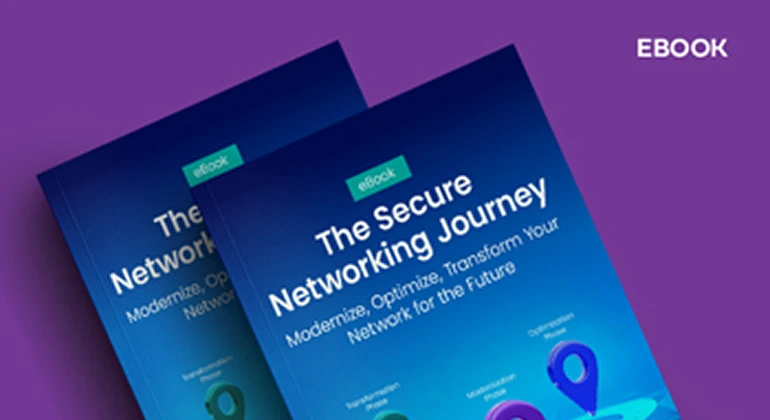
The full Modernize → Optimize → Transform framework, expanded with planning checklists for each stage.
Where the SASE category is headed next, and what that means for how you evaluate platforms today.
Original survey data on how enterprises are consolidating network and security vendors, and why.

A vendor-agnostic checklist for evaluating Unified SASE platforms before you shortlist anyone.
Straight answers to what enterprise buyers actually ask before they evaluate a vendor.
SD-WAN is the networking layer: it connects your sites, users, and clouds with application-aware routing and centralized policy control. Unified SASE adds security, including firewall, secure web gateway, and threat prevention, into that same fabric so networking and security are delivered and managed as one platform instead of stitched-together products.
Start with three decisions: the architecture (does it route intelligently across all your locations and clouds), the operating model (do you want to self-manage, co-manage, or fully outsource operations), and your connectivity requirements (which regions, which cloud and SaaS destinations, and what performance guarantees you need). See the Choosing SD-WAN guide for the full framework.
If your only goal is replacing MPLS with better, cheaper connectivity, SD-WAN alone can solve that. If you're also managing a separate firewall, secure web gateway, or ZTNA vendor, a converged Unified SASE approach removes that vendor sprawl and gives you one policy set instead of several inconsistent ones.
Timelines vary by footprint and operating model, but most Aryaka enterprise customers are live in under 4 months, versus an industry average often cited at 6 to 12+ months for comparable global deployments.